Unlock Year-Round Flavor: Your Guide to Preserving Strawberries, Kale, and Basil
Imagine biting into a burst of summer strawberry flavor in the dead of winter, or effortlessly adding nutrient-packed kale to your smoothie without a trip to the grocery store. This dream can be your reality with smart preservation techniques. Beyond simply extending shelf life, preserving strawberries, kale, and even fragrant basil, allows you to capture peak season freshness, reduce food waste, and enjoy the bounty of your garden or local market throughout the year. Let's dive into practical, easy-to-follow methods that will transform your kitchen.
The Sweet Strategy: Freezing Strawberries for Future Delights
Strawberry season is a fleeting, glorious moment. By taking a little time to preserve them when they're at their best, you ensure a supply of vibrant, flavorful berries for months to come. Freezing is arguably the easiest and most versatile method, locking in that farm-fresh taste for up to a year.
Simple Steps for Freezing Whole Strawberries
Freezing whole strawberries is incredibly straightforward, making it a perfect starting point for any home preserver. Here’s how to do it:
- Select & Wash: Begin with fully ripe, firm, deep-red strawberries. Discard any immature or damaged fruit. Wash them thoroughly under cool running water.
- Hull Them: Hulling means removing the green tops and the small core. You can do this with a special strawberry huller, a small paring knife, or simply use your fingernails to pinch and pull them off. The goal is to remove the fibrous green part without losing too much precious berry flesh.
- Flash Freeze: This is the secret to preventing a giant frozen lump of strawberries. Lay the hulled berries in a single layer on a parchment-lined baking sheet. Ensure they aren't touching each other. Place the baking sheet in the freezer for 2-4 hours, or until the berries are completely solid.
- Bag & Store: Once frozen solid, transfer the individual berries from the baking sheet into freezer-safe bags or airtight containers. Squeeze out as much air as possible from bags to prevent freezer burn. Label with the date and store in the freezer.
When you're ready to use them, simply pull out the desired amount. Frozen whole strawberries are perfect for smoothies, baking into muffins, topping oatmeal, or even making quick sauces. They retain their flavor beautifully, even if their texture softens slightly upon thawing.
Beyond Whole: Syrup and Sugar Packs for Versatility
While whole frozen berries are fantastic, sometimes you need strawberries prepared differently for specific recipes. For more detailed insights into various options, explore Strawberry Preservation Methods: Jam, Freezing, and Syrup Packs.
- Sugar Pack: This method enhances sweetness and helps retain color and shape, making it ideal for pies, tarts, or dessert toppings. For every 1-quart (about 1 1/3 pounds) of washed, hulled, and optionally sliced/crushed strawberries, gently mix in ¾ cup of sugar. Stir until most of the sugar dissolves, or let it stand for about 15 minutes. Pack the mixture into freezer-safe containers, leaving a small headspace (about ½ inch for pints).
- Syrup Pack: For whole berries that will be used in desserts or eaten as a side dish, a syrup pack provides excellent texture and flavor. Prepare a cold 50 percent syrup (e.g., 4 cups sugar to 4 cups water, boiled and cooled). Place whole, hulled berries into containers and cover with the cold syrup, ensuring berries are fully submerged. Leave appropriate headspace.
- Sliced or Crushed: If you're planning to use your strawberries for sauces, jams (that aren't canned), or purées, preparing them sliced or crushed before freezing is a time-saver. Simply wash, hull, and then slice or crush to your desired consistency. You can freeze them plain or with a sugar pack as described above.
These methods offer flexibility depending on your culinary needs, ensuring you have the right strawberry preparation for any recipe.
Power Up Your Pantry: Crafting Kale Cubes
Kale is a nutritional powerhouse, packed with vitamins, minerals, and antioxidants. While it's fantastic fresh, you often end up with an abundance that can be hard to consume before it spoils. Enter kale cubes – a simple and brilliant way to preserve this leafy green so you can enjoy its benefits for months without any waste.
How to Make Nutrient-Dense Kale Cubes
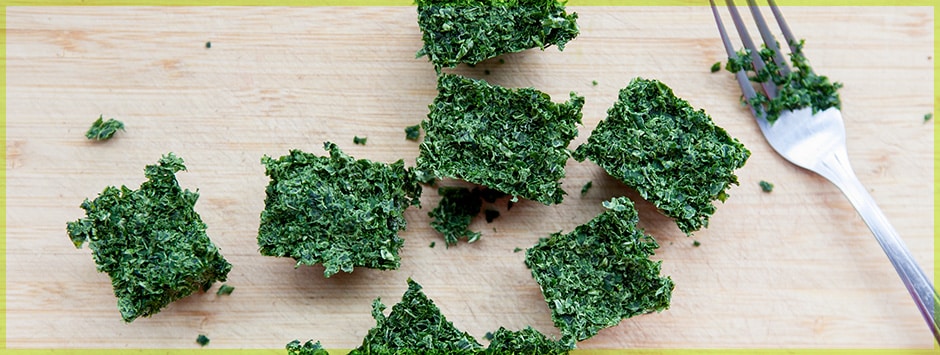
Kale cubes are essentially chopped kale frozen into convenient, pre-portioned blocks. They are incredibly versatile and contain nothing but pure kale goodness:
- Wash Thoroughly: Rinse your kale leaves really well under cold water to remove any dirt or grit. You might want to soak them briefly if they're particularly sandy.
- Prep the Kale: Remove the tough stems from the kale leaves. You can tear or cut the leaves away from the central rib.
- Chop or Blend: You have a few options here. For chunkier kale cubes, simply chop the kale leaves finely. For a smoother texture, ideal for blending into smoothies or sauces, you can roughly chop and then pulse the kale in a food processor with a tiny splash of water (just enough to get it moving, but not make it watery) until it reaches your desired consistency.
- Optional Blanching: While not strictly necessary for freezing, blanching kale (boiling for 2-3 minutes, then shocking in ice water) can help it retain its vibrant color and slightly softer texture when thawed, and can also help fit more into your ice cube trays. If blanching, ensure it's completely dry before proceeding.
- Fill Ice Cube Trays: Tightly pack the chopped or processed kale into standard ice cube trays. Press it down firmly to remove air pockets and ensure dense cubes. You can add a tablespoon of water or olive oil to each cube if desired, which can make them easier to blend later, though many prefer to keep them pure kale.
- Freeze Solid: Place the filled ice cube trays in the freezer until the kale cubes are completely frozen.
- Store in Bags: Once solid, pop the kale cubes out of the trays and transfer them into freezer-safe bags or containers. Label and date them.
These kale cubes are incredibly convenient. Drop them directly into smoothies, soups, stews, sauces, or even scrambled eggs. They thaw quickly and integrate seamlessly into your cooking, ensuring you always have a dose of healthy greens on hand.
Jamming with Strawberries: A Classic Preservation Method
For those who love the art of canning, turning fresh strawberries into luscious jam is a deeply satisfying experience. Strawberry jam, with its rich flavor and delightful texture, is a high-acid food, making it safe for processing in a Boiling Water Canner or Atmospheric Steam Canner. This method yields jars of sunshine that can last for years.
Crafting Homemade Strawberry Jam with Pectin
Here’s a classic recipe for strawberry jam using powdered pectin, typically yielding 9-10 half-pint jars:
- Prepare Jars & Lids: Wash canning jars with warm, soapy water and rinse thoroughly. Sterilize them by boiling for at least 10 minutes, then keep them in hot water until ready to use to prevent breakage when filled with hot jam. Prepare two-piece canning lids according to the manufacturer's directions.
- Prepare Strawberries: Sort and wash about 3-quart boxes (roughly 5½ cups) of fully ripe, firm, deep-red strawberries. Remove stems and caps, then crush the berries.
- Combine & Boil: In a large, heavy-bottomed pot, combine the crushed strawberries and one package of powdered pectin. Stir well. Place over high heat and, stirring constantly, bring the mixture quickly to a full, rolling boil that cannot be stirred down (bubbles over the entire surface).
- Add Sugar & Second Boil: Immediately add 8 cups of sugar, stirring constantly to dissolve it. Continue stirring and heat again to a full, bubbling boil. Boil hard for exactly 1 minute, still stirring constantly.
- Skim & Fill: Remove the pot from the heat. Promptly skim off any foam from the surface of the jam. Ladle the hot jam immediately into your hot, sterile jars, leaving ¼ inch headspace.
- Seal & Process: Wipe the rims of the jars with a dampened clean paper towel to ensure a good seal. Adjust the two-piece metal canning lids securely. Process half-pint or pint jars in a Boiling Water Canner or Atmospheric Steam Canner for 5 minutes at altitudes less than 1,000 feet sea level. (Note: For higher altitudes, processing times may need to be increased; consult a reliable canning guide for your specific elevation.)
- Cool & Check: Carefully remove the jars from the canner and place them on a towel-lined surface to cool completely for 12-24 hours. Do not disturb them. Check for seals: lids should be concave and not flex when pressed. Store properly sealed jars in a cool, dark place.
Integrating Basil: Freshness for Both Kale and Strawberries
While the initial focus is on preserving strawberries kale and basil, basil wasn't directly in the preservation methods described. However, basil is a fantastic herb that complements both kale and strawberries beautifully, and it too can be preserved! Its aromatic presence can elevate your preserved foods or be enjoyed fresh alongside them.
Preserving Basil
You can preserve basil in several ways:
- Freezing in Oil: Chop fresh basil leaves and pack them tightly into ice cube trays. Cover with a good quality olive oil. Freeze, then transfer the basil oil cubes to freezer bags. These are perfect for adding to soups, pasta sauces, or sautéing vegetables.
- Pesto: Blend basil with garlic, pine nuts (or walnuts), Parmesan cheese, and olive oil to make pesto. Freeze in small portions (e.g., ice cube trays) for quick additions to pasta, sandwiches, or pizzas.
- Drying: While less potent than fresh or frozen, dried basil is still a useful herb. Hang bunches of basil in a warm, dry, well-ventilated area, or use a dehydrator on a low setting. Once crisp, crumble and store in airtight containers.
Using Basil with Kale and Strawberries
- With Kale: A sprig of fresh basil can be added to your kale smoothie for a bright, herbaceous note. When cooking with kale cubes, toss in some fresh or frozen basil at the end to enhance savory dishes like stir-fries, quiches, or even a simple side of sautéed greens. For a twist, you could even add a few basil leaves to your food processor when making kale cubes for a subtle herby kick.
- With Strawberries: Basil and strawberries are a match made in culinary heaven! Consider adding finely chopped fresh basil to a strawberry fruit salad, incorporating it into a strawberry basil lemonade, or even infusing your homemade strawberry jam with a few basil leaves during the cooking process for an unexpectedly sophisticated flavor profile.
By incorporating basil into your preservation and cooking routines, you add another layer of fresh, garden-inspired flavor to your year-round meals.
Mastering these simple techniques for preserving strawberries, kale, and basil ensures your pantry and freezer are stocked with healthy, delicious ingredients. Not only will you reduce food waste and save money, but you'll also be able to enjoy the peak flavors of summer and the nutritional benefits of leafy greens, no matter the season. Embrace the satisfaction of self-sufficiency and elevate your culinary creations year-round!
