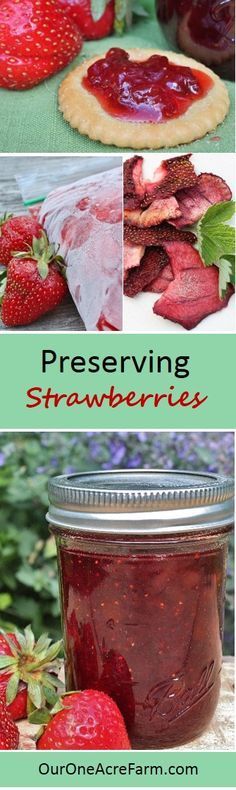
The Art of Preserving Strawberries, Kale, and Basil: Capturing Peak Flavor Year-Round
There's an undeniable joy that comes with the bounty of a fresh harvest, whether it's the vibrant crimson of ripe strawberries, the earthy green of kale, or the aromatic freshness of basil. But the fleeting nature of seasonal produce often leaves us wishing for those peak flavors all year long. Fortunately, with a few thoughtful preservation techniques, you can extend the delight of your garden's finest. This comprehensive guide will walk you through effective methods for preserving strawberries, kale, and basil, ensuring your pantry and freezer are stocked with farm-fresh goodness.
From luscious strawberry jams to versatile frozen berries and practical kale cubes, embracing home preservation is a fantastic way to reduce food waste, save money, and enjoy the taste of summer even in the depths of winter. Let's dive into the sweet, savory, and aromatic world of home preservation.
Freezing Strawberries: Simple Steps for Year-Round Enjoyment
Freezing is arguably one of the easiest and most effective ways to preserve the vibrant flavor and nutritional goodness of strawberries. When done correctly, frozen strawberries can last in your freezer for up to a year, ready to be transformed into smoothies, desserts, or sauces at a moment's notice.
Prepping Your Berries for Freezing
The key to successful freezing lies in proper preparation. Start by selecting fully ripe, firm berries with a deep red color, discarding any that are immature or show signs of spoilage.
- Wash Thoroughly: Wash your strawberries meticulously under cool running water. This removes any dirt or lingering pesticides.
- Hull Them Right: Once washed, it's time to hull them. This means removing the green tops and the small, hard core. While special tools exist, a small paring knife or even just your fingernails can do the trick effectively.
- Flash Freeze for Best Results: For individual, non-clumping berries, the flash freezing method is ideal. Lay the hulled strawberries in a single layer on a baking sheet lined with parchment paper. This prevents them from sticking together.
- Initial Freeze: Place the baking sheet in the freezer for several hours, or until the berries are completely solid.
- Pack and Store: Once frozen solid, transfer the individual berries into freezer-safe bags or airtight containers. Remove as much air as possible from freezer bags to prevent freezer burn (a vacuum sealer works wonders here). Don't forget to label your bags with the date!
When you need a taste of summer, simply grab a handful of frozen strawberries from your freezer. They are perfect for smoothies, baking into muffins, making compotes, or even just thawing slightly for a refreshing snack. And speaking of complementary ingredients, don't forget the convenience of Make Kale Cubes & Freeze Strawberries for Year-Round Flavor – a perfect pairing for nutrient-packed smoothies!
Crafting Homemade Strawberry Jam: A Taste of Summer in a Jar
Strawberry jam is a classic, offering a concentrated burst of sweet, tangy flavor that can brighten up toast, pastries, and desserts. While it might seem intimidating, making homemade jam with a boiling water canner is a rewarding process that ensures safe, shelf-stable preserves.
Gather Your Ingredients and Tools
For a standard recipe yielding about 9-10 half-pint jars of delicious strawberry jam using powdered pectin, you'll need:
- 5½ cups crushed strawberries (approximately 3-quart boxes of fresh strawberries)
- 1 package powdered pectin
- 8 cups sugar
You will also need canning jars (half-pint or pint), two-piece canning lids, a large stockpot for canning (Boiling Water Canner or Atmospheric Steam Canner), a jar lifter, a funnel, and basic kitchen utensils like a large pot for cooking jam, measuring cups, and spoons.
Step-by-Step Jam Making and Canning Process
Food safety is paramount when canning. Follow these steps meticulously:
- Prepare Jars and Lids: Wash canning jars with warm, soapy water and rinse well. Sterilize them by boiling in hot water for at least 10 minutes. Keep the sterilized jars hot in the canner (or in a hot water bath) until ready to fill; this prevents thermal shock and breakage when hot jam is added. Prepare two-piece canning lids according to the manufacturer's directions (often involves simmering, not boiling, to soften the sealing compound).
- Prepare Strawberries: Sort through your fully ripe, firm, deep red strawberries, discarding any imperfect fruit. Wash them thoroughly, remove stems and caps, then crush the berries. You can use a potato masher or a food processor for this, being careful not to over-process into a complete purée if you prefer some texture.
- Start Cooking the Jam: In a large, heavy-bottomed pot, combine the crushed strawberries and powdered pectin. Stir well to ensure the pectin is evenly distributed.
- Bring to a Boil: Place the pot over high heat. Stirring constantly to prevent scorching, bring the mixture quickly to a full, rolling boil that cannot be stirred down – meaning bubbles cover the entire surface.
- Add Sugar and Re-boil: Once a full boil is achieved, add all 8 cups of sugar at once. Continue stirring constantly and bring the mixture back to a hard, rolling boil. Boil hard for exactly 1 minute, stirring vigorously the entire time. This critical minute ensures the pectin sets properly.
- Remove and Skim: Remove the pot from the heat. Skim off any foam that has risen to the surface with a spoon. This improves the clarity and appearance of your jam.
- Fill Jars: Immediately ladle the hot jam into your hot, sterile jars, using a funnel to keep the rims clean. Leave ¼ inch headspace (the space between the jam and the rim of the jar). This headspace is crucial for creating a proper vacuum seal.
- Clean Rims and Seal: Wipe the rims of the jars with a dampened clean paper towel to remove any jam residue. This ensures a clean seal. Center the prepared lids on the jars and apply the screw bands finger-tight.
- Process in Canner: Carefully place the filled jars into your Boiling Water Canner or Atmospheric Steam Canner, ensuring they are covered by at least 1 inch of water (for BWC). Bring the water to a rolling boil. Process half-pint or pint jars for 5 minutes at altitudes less than 1,000 feet above sea level. *Always adjust processing times for higher altitudes according to USDA guidelines.*
- Cool and Check Seals: After processing, turn off the heat, remove the canner lid, and let the jars stand in the hot water for 5 minutes before carefully removing them with a jar lifter. Place jars on a towel-lined counter to cool undisturbed for 12-24 hours. Once cool, check seals by pressing on the center of the lid; if it doesn't flex, the jar is sealed. Remove screw bands, wipe jars clean, label with contents and date, and store in a cool, dark place.
Beyond Basic Freezing: Syrup and Sugar Packs for Versatile Use
While flash freezing whole berries is excellent, sometimes a different texture or preservation method is desired. Syrup and sugar packs offer alternatives, particularly if you plan to use your strawberries in specific ways, such as for desserts where firmness is key, or for sauces where a more broken-down texture is acceptable.
Whole Berries in a Syrup Pack
A syrup pack helps to maintain the shape and firmness of whole strawberries, making them excellent for thawing and using in fruit salads, pie fillings, or as a garnish. For a 50 percent syrup, you'll typically use equal parts sugar and water (e.g., 2 cups sugar dissolved in 2 cups water, heated gently until sugar dissolves, then chilled).
- Prepare Berries: Select firm, ripe berries, wash, and remove caps as for basic freezing.
- Pack with Syrup: Place the whole berries into freezer-safe containers. Cover the berries completely with cold 50 percent syrup, ensuring all berries are submerged.
- Seal and Freeze: Leave appropriate headspace (½ inch for pints, 1 inch for quarts) to allow for expansion. Seal the containers tightly and freeze.
Whole, Sliced, or Crushed Berries in a Sugar Pack
A sugar pack draws out some of the berry's natural juices, creating a syrupy liquid around them. This method is fantastic for berries intended for sauces, toppings, or baking, where a slightly softer texture is desired.
- Prepare Berries: Wash and remove caps from ripe, firm berries.
- Choose Your Cut: You can leave them whole, slice them, or crush them partially or completely, depending on your intended use.
- Mix with Sugar: To 1 quart (approximately 1 1/3 pounds) of prepared berries, add ¾ cup of sugar.
- Stir and Dissolve: Mix thoroughly until most of the sugar is dissolved. You can let the mixture stand for about 15 minutes to help dissolve the sugar and draw out juices.
- Pack and Freeze: Pack the sugared berries into freezer-safe containers, leaving appropriate headspace. Seal tightly and freeze.
Integrating Your Preserved Harvest: Strawberries, Kale, and Beyond
The true reward of home preservation comes when you incorporate your efforts into everyday meals. Imagine a winter morning smoothie, rich with the summer sweetness of frozen strawberries and the hidden nutrition of kale cubes. Or a dessert featuring homemade strawberry jam, perhaps even garnished with a sprig of preserved basil from your garden.
- Strawberry Versatility: Your frozen strawberries (whether individually frozen, in syrup, or sugar-packed) are perfect for:
- Smoothies and shakes
- Baking (muffins, pies, tarts)
- Sauces for pancakes, ice cream, or yogurt
- Homemade ice cream or sorbet
- Kale Cubes: The frozen kale cubes, as mentioned in Make Kale Cubes & Freeze Strawberries for Year-Round Flavor, are an effortless way to boost the nutritional content of soups, stews, and, of course, smoothies with your preserved strawberries.
- Preserving Basil: While the primary focus here is strawberries, extending the life of your basil harvest is equally satisfying. Consider freezing basil leaves whole in airtight bags, blanching and puréeing with a touch of olive oil into pesto, or even drying it for a pantry staple. Fresh or preserved basil often beautifully complements strawberry desserts, adding a sophisticated aromatic note.
Learning How to Preserve Strawberries: Freeze, Can, and Enjoy All Year, along with other garden favorites, is an empowering skill that connects you more deeply to your food and reduces reliance on supermarket produce when out of season.
Conclusion
Embarking on the journey of preserving your own produce, from the sweet succulence of strawberries to the robust goodness of kale and the fragrant charm of basil, is a fulfilling endeavor. Whether you choose the simplicity of freezing, the timeless tradition of jam-making, or the versatility of syrup and sugar packs, each method offers a unique way to capture the essence of peak season. By taking the time to learn these techniques for preserving strawberries, kale, and basil, you're not just stocking your pantry; you're cultivating a year-round connection to fresh, flavorful food straight from your home.
